AI Best Practices Guide
by Admin
Posted on 28-10-2025 05:19 PM
Planning and Development
Before developing an AI system, it's crucial to define the project's objectives, scope, and requirements. This involves identifying the problem to be solved, the target audience, and the desired outcomes. A clear understanding of the project's goals and constraints helps ensure that the AI system is designed and developed to meet the needs of its users. Additionally, it's essential to establish a multidisciplinary team with expertise in AI, data science, ethics, and domain knowledge to ensure that the system is developed with a comprehensive understanding of its potential impact.
Understanding Cloud Hosting
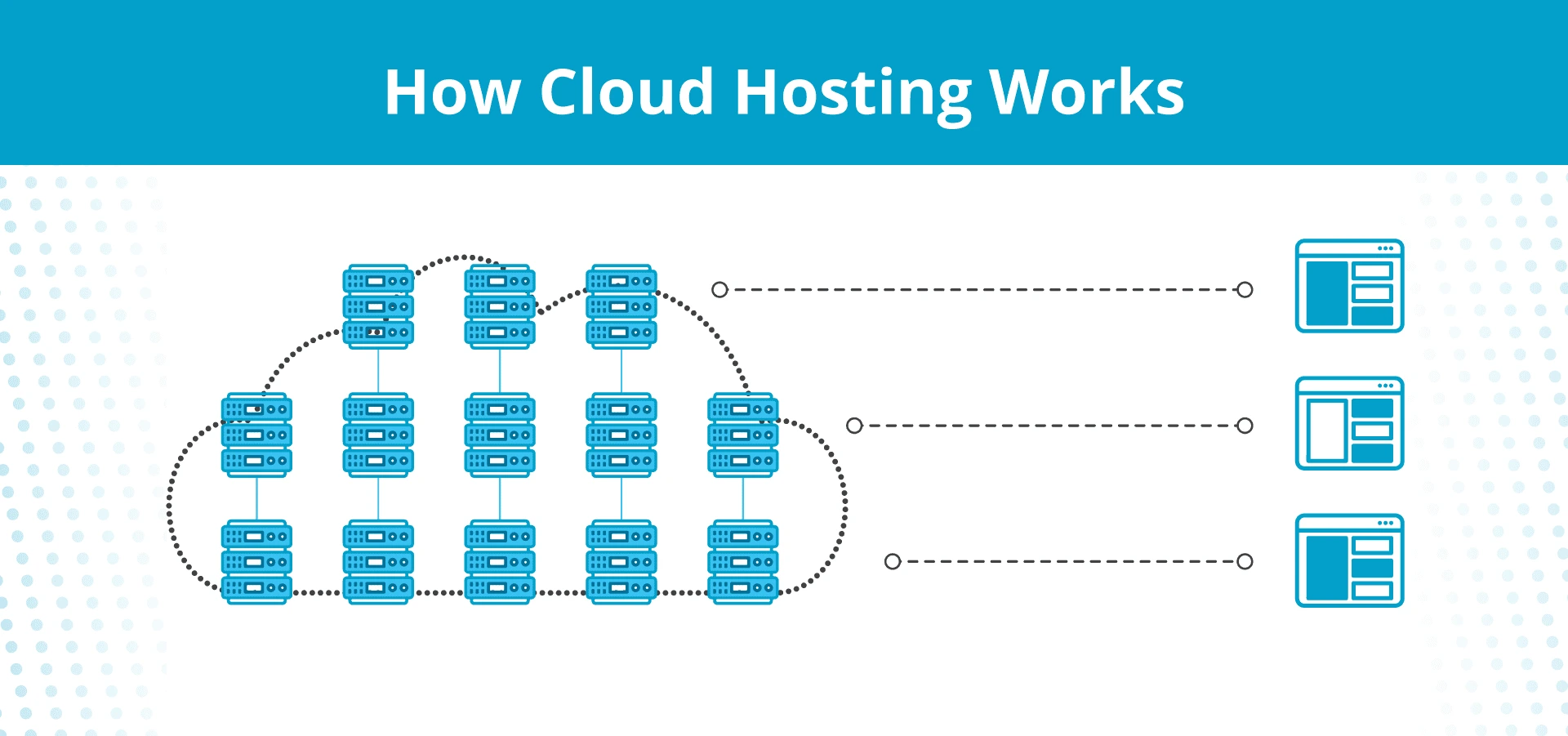
To understand how cloud hosting works, it's essential to know the basics of cloud computing and its benefits. Cloud hosting is a type of web hosting where resources are provided over the internet, allowing users to access and manage their websites, applications, and data remotely. For more information on cloud hosting and its services, you can visit https://ezistack.com/ that offer scalable and secure solutions for businesses and individuals alike.
Data Quality and Management
Data is a critical component of AI systems, and its quality can significantly impact the performance and accuracy of the system. It's essential to ensure that the data used to train and test the AI system is accurate, complete, and unbiased. This involves implementing data validation and verification processes, as well as ensuring that the data is properly labeled and annotated. Furthermore, it's crucial to establish data management protocols that ensure the secure storage, processing, and transmission of data.
Data Preprocessing
Data preprocessing is a critical step in AI development, as it involves cleaning, transforming, and preparing the data for use in the AI system. This includes handling missing values, removing duplicates, and normalizing the data. Effective data preprocessing helps ensure that the AI system is trained on high-quality data, which is essential for achieving accurate and reliable results.
Data Security
Data security is a critical concern in AI development, as AI systems often rely on sensitive and confidential data. It's essential to implement robust security measures to protect the data from unauthorized access, theft, or manipulation. This includes encrypting the data, implementing access controls, and establishing incident response protocols.
Model Development and Training
The development and training of AI models require careful consideration of several factors, including the choice of algorithm, the selection of hyperparameters, and the evaluation of model performance. It's essential to choose an algorithm that is well-suited to the problem being addressed and to carefully tune the hyperparameters to optimize model performance. Additionally, it's crucial to evaluate the model's performance using relevant metrics and to continuously monitor and update the model to ensure that it remains accurate and reliable.
Deployment and Maintenance
The deployment and maintenance of AI systems require careful planning and execution to ensure that the system is integrated into the organization's infrastructure and workflows. This involves establishing protocols for monitoring and updating the system, as well as ensuring that the system is properly documented and maintained. Additionally, it's essential to establish procedures for addressing errors or biases that may arise during the system's operation.
Ethics and Accountability
AI systems can have significant impacts on individuals and society, and it's essential to ensure that they are developed and deployed in a responsible and ethical manner. This involves considering the potential risks and benefits of the system, as well as establishing protocols for addressing errors or biases that may arise. Additionally, it's crucial to ensure that the system is transparent, explainable, and fair, and that it is designed to promote human well-being and dignity.
Regulatory Compliance
AI systems are subject to a range of regulations and laws, including those related to data protection, privacy, and intellectual property. It's essential to ensure that the AI system is designed and deployed in compliance with these regulations, and that it is properly documented and maintained to demonstrate compliance. Additionally, it's crucial to establish procedures for addressing regulatory inquiries or audits, and to ensure that the system is continuously monitored and updated to ensure ongoing compliance.
Conclusion and Future Directions
In conclusion, the development and deployment of AI systems require careful consideration of a range of factors, including data quality, model development, deployment, and maintenance, ethics, and regulatory compliance. By following best practices and guidelines, organizations and individuals can ensure that AI systems are developed and deployed in a responsible and effective manner, promoting transparency, accountability, and fairness. As AI technology continues to evolve, it's essential to stay up-to-date with the latest developments and to continuously monitor and update AI systems to ensure that they remain accurate, reliable, and beneficial to society.
FAQs
What is the importance of data quality in AI development?
Data quality is critical in AI development, as it directly impacts the performance and accuracy of the AI system. Poor data quality can lead to biased or inaccurate results, which can have significant consequences in real-world applications.
How can I ensure that my AI system is transparent and explainable?
To ensure that your AI system is transparent and explainable, it's essential to implement techniques such as model interpretability, feature attribution, and model explainability. These techniques can help provide insights into the decision-making process of the AI system, making it more transparent and trustworthy.
What are the key considerations for deploying AI systems in a production environment?
When deploying AI systems in a production environment, it's essential to consider factors such as scalability, reliability, and security. This includes ensuring that the system can handle large volumes of data, that it is properly monitored and maintained, and that it is secure from potential threats or vulnerabilities.
How can I ensure that my AI system is fair and unbiased?
To ensure that your AI system is fair and unbiased, it's essential to implement techniques such as data preprocessing, feature selection, and model regularization. These techniques can help reduce bias in the data and ensure that the AI system is fair and equitable in its decision-making process.
What are the regulatory requirements for AI systems, and how can I ensure compliance?
The regulatory requirements for AI systems vary depending on the jurisdiction and industry. To ensure compliance, it's essential to consult with regulatory experts and to implement procedures for documenting and maintaining the AI system. This includes ensuring that the system is properly tested and validated, and that it is continuously monitored and updated to ensure ongoing compliance.